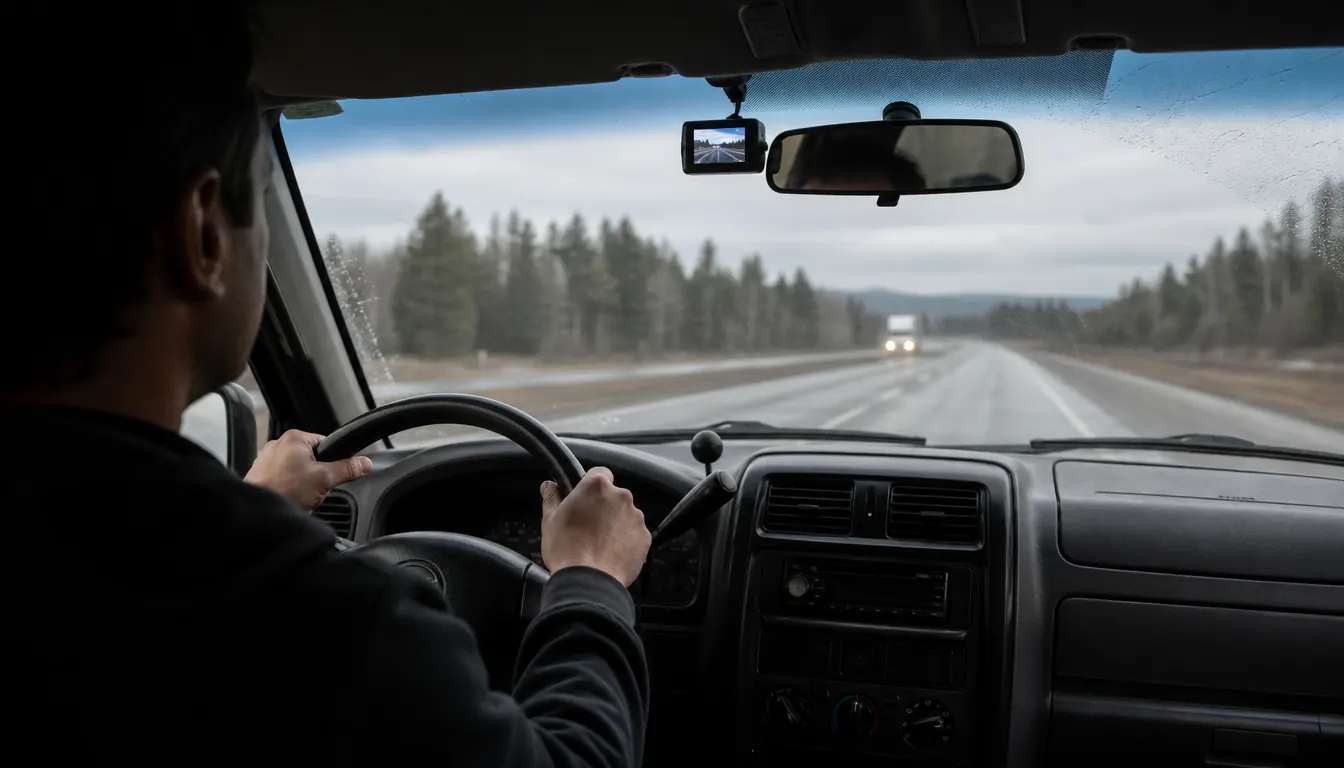
I still remember the date, a drizzly Tuesday in early November, because I have replayed that few seconds more times than I care to admit. I was stopped at a red light on US-65 just south of Springfield, on my way to a customer meeting in my 2016 Toyota Highlander. The odometer read 191,000 miles, and the interior still looked the way it did when I bought the car, except for one addition: a REDTIGER F7NP dash cam mounted behind the rearview mirror. I had put it there the previous March. When the light turned green, I waited a beat and checked the intersection, then I eased off the brake. A dark sedan came through the cross street and clipped my front passenger fender.
The other driver climbed out and said, before I could even get my seatbelt off, that I had run my light. I told him the light had been green for me. He was already on his phone, describing the crash to someone, sounding very sure of himself. A state trooper came out about twenty minutes later. The trooper walked around both cars, took our statements, and finally said the words that anyone who has been in a similar crash will recognize: insurance would sort it out.
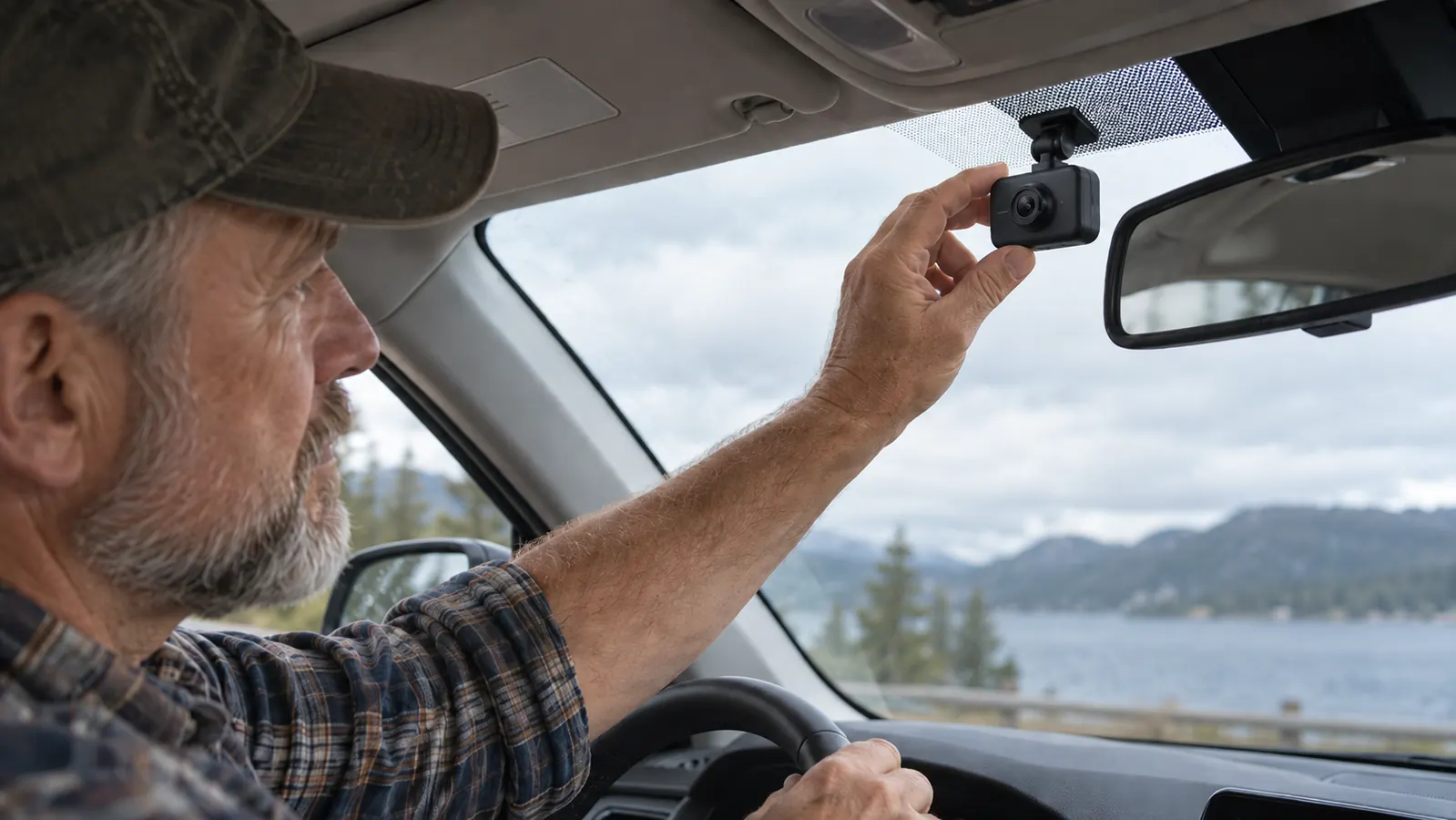
I did not argue with the trooper, because I already knew what the camera on my windshield had seen. I bought the REDTIGER F7NP the previous March, after a truck drifted into my lane on that same stretch of US-65 and I had to swerve onto the shoulder. I sat there for a minute with my hands shaking, then I went home and started reading dash cam reviews. I was not looking for another gadget to fiddle with. I wanted a front camera that could see well in low light, a rear camera, and a memory card that came in the box. I did not want another monthly subscription. The REDTIGER F7NP was the one I kept coming back to.
Installation took about twenty minutes, which surprised me. I am not handy with car electronics. The F7NP mounts to the windshield with a sticky pad, and the cable tucks up under the headliner without any tools. I ran it down the passenger side pillar, across the floor mat, and into the 12V socket. The rear camera plugged into the same cable, so there was only one wire to hide. The included card worked on the first night. I have never had to figure out a complicated app or pair the camera with my phone.
For months after that, I forgot the camera was there. It starts with the car and records in a loop, keeping the newest footage and overwriting the oldest. That is what you want, because it means you never have to remember to turn it on or clear the card. The night of the crash, I pulled the memory card, put it in my laptop, and found the exact clip. The recording started before I reached the light and continued through the impact. It showed everything, but the important part was the traffic light in the upper corner of the frame.
The clip showed my light had been green for eight full seconds before the sedan entered the intersection. I did not have to convince anyone. The camera did the talking.
Let the footage answer the questions.
The REDTIGER F7NP records front and rear, includes a memory card, and takes about twenty minutes to install. You want it mounted before the accident, not after.
Amazon Check Today's Price on Amazon →The other driver's insurance company called two days after the accident. The woman on the phone was professional and, I think, genuinely sorry, but she had a job to do. She explained that her driver described a green light and that they were ready to close the claim in his favor unless I had something that showed otherwise. I told her I had dash cam footage. There was a pause, the kind of pause you get when someone realizes they were about to close a claim without checking the evidence. She asked me to email her the clip.
She called back the next day. By then she had watched the file, including the approach, the red light, and the turn to green. She could see that my light had been green for eight seconds, she said, and that the sedan had come into the intersection near the end of that time. She closed the claim with their driver at fault before the week was out. It was the least dramatic conversation of my month, and the most useful. No lawyer, no recorded statement, no letter from a claims supervisor.
That is why I wrote this, because I know how close I came to being on the other side of that phone call. If the camera had not been there, the accident would have come down to two drivers telling different stories. I have friends who have been through that. They spent weeks trading emails with adjusters, and some ended up with higher rates even though they were not at fault. Intersection crashes are especially messy because both people usually feel sure they had the green. Video removes that guesswork completely.
One more thing surprised me, and it is worth saying plainly. The camera does not need to be fancy. I have had mine since March and I have not opened the app more than a few times. It starts when the car starts, records in a loop, and keeps the newest footage on the included card. If I need a clip, I take the card out and look at it on my laptop. That is the whole routine. If you are like me and you do not want another gadget to babysit, that is actually the point.
What I'd Tell You If We Were Sitting at My Kitchen Table
If I could talk to you across my kitchen table, I would say this. Do not wait for a close call to buy a dash cam. You do not need the most expensive one and you do not need a monthly subscription. You need a front camera with a decent low light sensor, a rear camera, and a memory card in the box. For me, that was the REDTIGER F7NP. You hope you never have to send a clip to an insurance adjuster. But if you ever need to prove what really happened, you cannot rewind the intersection. The camera already did.
You may not need a dash cam until the day you really do.
If you spend hours on the road in an older car, the REDTIGER F7NP is a plain way to make sure the truth has a timestamp. See today's listing and current bundle details on Amazon.
Amazon Check Today's Price on Amazon →