REDTIGER F7NP vs Garmin Dash Cam Mini 3: if you only have time for the short answer, here it is. The REDTIGER F7NP is a dual channel dash cam with a 4K front lens, a 1080p rear lens, and a memory card in the box. The Garmin Dash Cam Mini 3 is a single front camera that records 1080p and is small enough to hide behind the mirror. I drove both on my usual 70 mile route along US 65 for more than a month each, and I also ran the REDTIGER on overnight sales trips to St. Louis and Tulsa. My verdict is not close. If you want proof that covers the whole car, the REDTIGER gives you more for less money. If you want a camera that disappears and you are willing to lose rear coverage, the Garmin Mini 3 is the better fit. Most drivers I talk to end up wanting the second camera, and that is the audience the REDTIGER serves best.
Let me set the stage so the rest of this makes sense. I am a 57 year old outside sales rep, which means I spend roughly 30,000 miles a year in a 2016 Toyota Highlander. It is silver, it has cloth seats, it has 191,000 miles, and it runs perfectly. The only thing it lacks is a modern head unit with CarPlay, so I rely on a phone mount and a Bluetooth connection. That does not bother me, because the radio still works. What bothers me is the idea of an accident with no witness. I installed my first dash cam in 2019 after a parking lot incident that turned into a he said, she said. I have used a few budget cameras since then, and I review them the same way every time. Does it record clearly when it matters? Does it survive a Missouri summer on a dashboard? Is the app worth using, or do I just pull the card? Those are the questions this comparison answers. All of my testing ran on the same 70 mile stretch of US 65 between Springfield and Branson, with a few loops through town and two overnight trips to St. Louis. I drove through heavy rain, a freight car wash, and a stretch of dirt road near a job site, because that is a normal month for me.
REDTIGER F7NP vs Garmin Mini 3 at a Glance
For nine weeks I ran the REDTIGER, then I swapped the Garmin in for almost three weeks. I compared clips from the same road in the same week whenever I could. This table reflects what I saw, not what the packaging says.
| REDTIGER F7NP | Garmin Dash Cam Mini 3 | |
|---|---|---|
| Coverage | Front and rear cameras. Records what is ahead and behind your bumper at the same time. | Front lens only. Cannot see a vehicle that approaches from the rear. |
| Daytime detail | Front records 4K and the rear records 1080p. Pausing a clip lets me zoom into a plate on a clear day. | Front records 1080p. It is clear for normal viewing, but there is less detail to work with when you zoom. |
| Night handling | The 4K clip has more data, but oncoming headlights tend to bloom into white flares. | The 1080p sensor controls headlight glare better, keeping the side of the road visible. |
| Cabin footprint | A visible unit with a small screen behind the mirror. You know it is there. | A tiny magnetic camera that can tuck out of sight behind the mirror. |
| App and Wi-Fi | The app connects, but it can be slow. I usually pull the card and plug it into a laptop. | Garmin Drive app is fast and reliable, and smaller 1080p clips transfer quickly. |
| Ease of installation | Front camera is easy; adding the rear camera means routing a cable to the tailgate. | One camera, one cable, done in about seven minutes. |
| What is in the box | Two cameras, two mounts, two cables, and a microSD card. You can record on day one. | One camera and a mount. You must buy a memory card before it records. |
| Value | Dual coverage plus a card at a price below the single lens Garmin. | A higher price for less hardware and a smaller form factor. |
Where the REDTIGER F7NP Wins
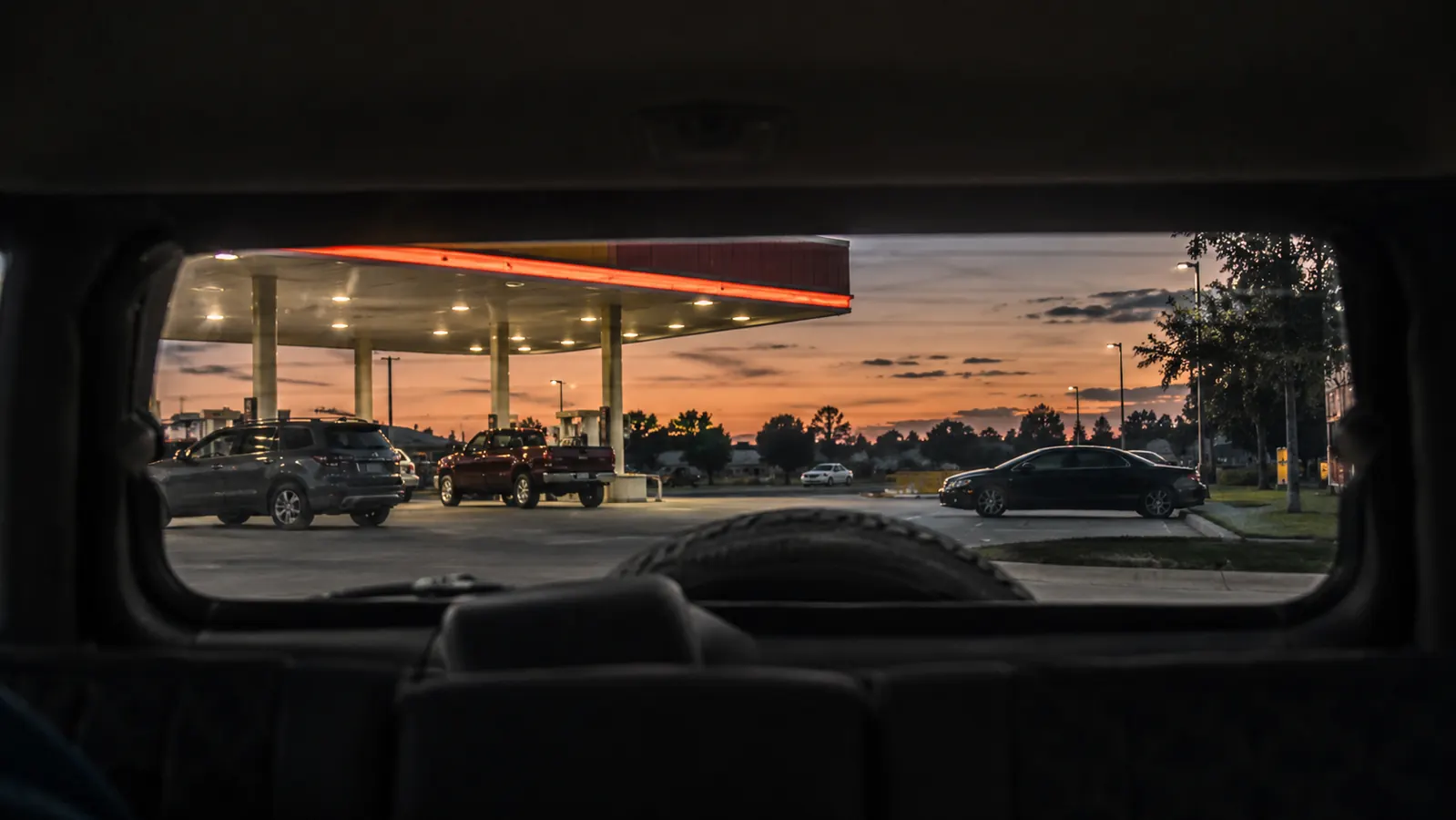
The REDTIGER wins on coverage, and coverage is the whole reason to buy a dash cam. A front camera only shows the road in front of you. It cannot show the car that backs out of a space and clips your rear bumper, and it cannot show the vehicle that rear ends you at a red light. That is not a hypothetical for me. In July, at a QuikTrip on the north edge of Bolivar, a pickup truck started backing out directly behind my Highlander. I honked, but the driver kept coming until his trailer hitch was about two feet from my rear bumper. He got out and claimed I had backed into him. I took the memory card out of the REDTIGER, opened the rear facing clip on my laptop, and showed him the timestamped video. It shows his reverse lights coming on and his truck moving backward. He stopped arguing before the clip finished. No single lens camera could have given me that.
The second reason is daytime detail. The front camera records at 4K, and that extra resolution matters when you need to identify a vehicle. On a clear day I can pause a clip, zoom in on a license plate two cars ahead, and read the characters. The rear camera records at 1080p, which is less sharp but more than enough to show make, model, and direction of travel. I compared the same highway stretch with both cameras on a foggy morning. The REDTIGER held onto more detail in the mist, especially in the shadows under the overpasses, and that made the video easier to use when I reviewed it on a laptop.
The REDTIGER also wins on what comes in the box. Both cameras, both adhesive mounts, both cables, and a microSD card are included. The card is not a high capacity model, but it is enough to start recording and to prove the camera works before you order a bigger one. The Garmin Mini 3 does not include a card at all. You cannot record your first drive unless you already own a card, and if you are giving a camera to someone who is not technical, that extra step can be the difference between installing it today and leaving it in the glove box for a week.
When you look at current listings, the REDTIGER sits in a different price neighborhood than the Garmin. It gives you two lenses and a card for less than the single lens Garmin, and that is the kind of value I appreciate after a decade of buying car gadgets. I am not saying cheap is always better, but here the cheap one also does more. The only real compromise is size and polish, which brings me to where the Garmin takes the lead. I also want to mention the setup routine. The small screen on the REDTIGER lets me confirm it is recording with one glance. It shows a blinking red dot and the elapsed time. The Garmin requires a glance at your phone or a tiny LED. That simple screen has saved me more than once when a clip did not start because the card was full.
Where the Garmin Mini 3 Wins
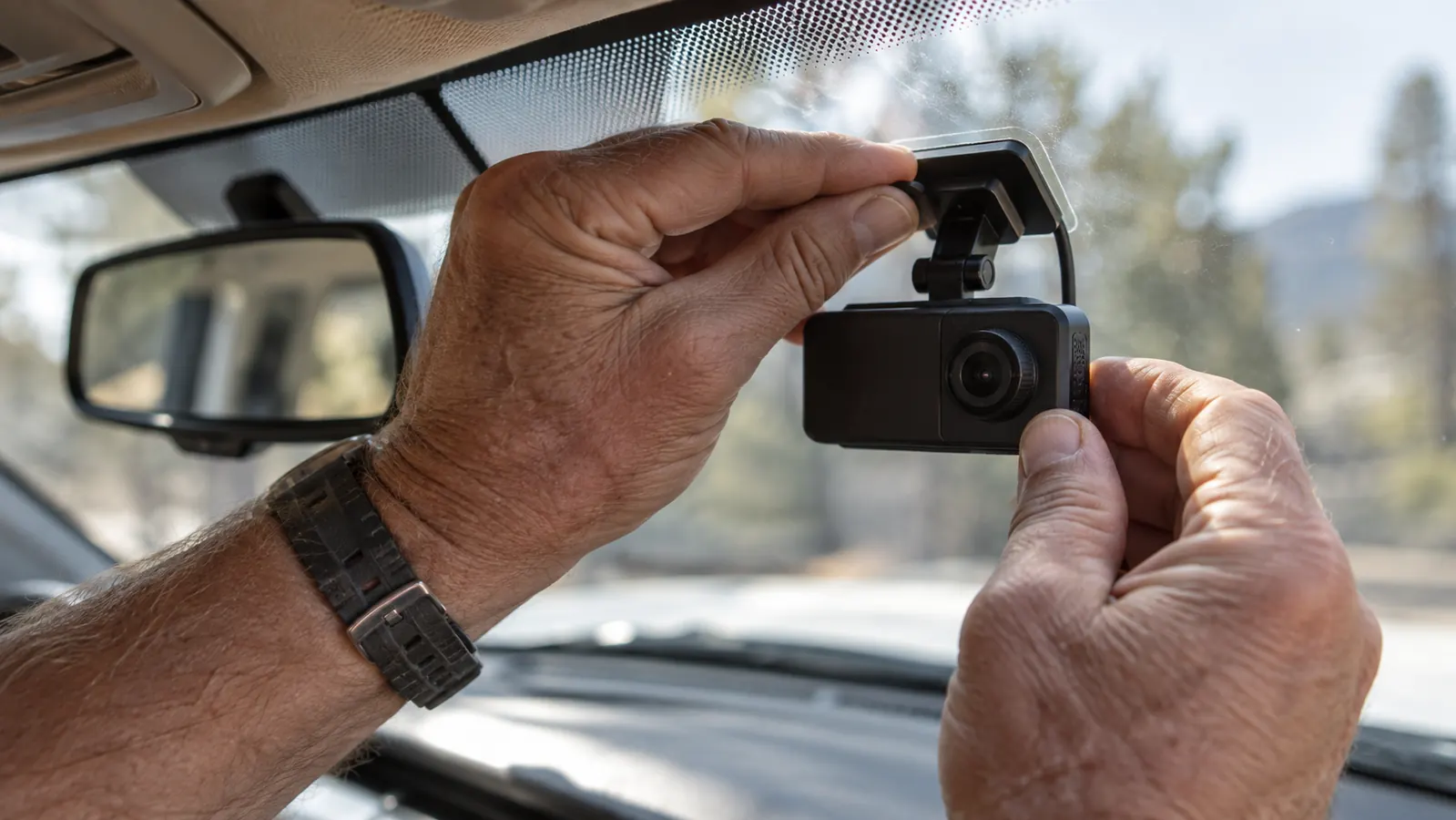
The Garmin's first advantage is the way it disappears. The Mini 3 is genuinely tiny, much smaller than the REDTIGER front unit. Mounted behind the rearview mirror on the passenger side, I could not see it from the driver's seat, and my view through the windshield stayed clean. The magnetic mount is the best part. I could snap the camera off in one motion and take it inside when I parked overnight, then put it back in the morning without touching the adhesive plate. The REDTIGER is mounted with a firm adhesive and has two cables, so removing it is a project. If you park in a city or just do not like a gadget hanging in your glass, the Garmin is the one.
The Garmin also has a better day to day app. I opened Garmin Drive on my phone and the camera connected quickly, with no restart. Clips came over in short files, and the app let me scrub to the exact moment without the whole clip buffering again. The REDTIGER app works, but it is slower to connect and sometimes the first file transfer would drop, so I would start over. If you are the kind of driver who reviews footage at the end of every week, the difference adds up. With the Garmin I checked clips more often because it was easy. With the REDTIGER I pulled the card into my laptop more than I used the app.
Night performance is the Garmin's most surprising win. On a dark two lane road near the end of my route, I pointed both cameras at the same oncoming traffic. The REDTIGER's 4K image handled the foreground well, but headlights bloomed into large white flares that washed out the side of the road. The Garmin's 1080p sensor controlled that glare better. I could still make out the shape of an oncoming semi and the edge of the pavement, which is exactly the information a driver needs in an incident. The irony is not lost on me. A lower resolution camera produced a steadier night image because the sensor software does more work. For people who drive before sunrise, that is a real edge.
The Garmin's limitation is not hard to state: it cannot see behind you. If you are involved in a rear end crash, no matter how small the camera is, it will not have the footage that matters most. I also had to buy a memory card, and I paid a higher up front price for the smaller form factor. That is not a bad trade for the right driver, but it is a trade.
Still choosing between single and dual coverage?
The clips that settle arguments are the ones from behind you. The REDTIGER F7NP records two feeds at once and includes a card, so you get working coverage the day it arrives. Check today's listing on Amazon and see the current bundle before you decide.
Amazon Check the REDTIGER F7NP on Amazon →Who Should Buy Which
Buy the REDTIGER F7NP if you are a commuter, a sales rep, a rideshare driver, or anyone who parks in shared lots. That group includes me, which is why the REDTIGER is currently mounted in my Highlander. The rear camera closes the biggest blind spot in accident evidence. If someone backs into you, a front camera will not help you. The REDTIGER will. I also think the included card removes the most common reason dash cams go unused. You can open the box, plug it in, and be recording within ten minutes.
Buy the Garmin Mini 3 if you want the smallest possible camera and you understand what you are giving up. It is perfect for a driver who stays in their own neighborhood, rarely deals with parallel parking, and wants a low key witness that records the road ahead. The app is more polished and the night exposure is genuinely better than the REDTIGER's. I would recommend the Garmin to someone who drives a car they want to keep feeling stock, because it is the closest thing to a factory option.
And if you are still unsure, think about the worst crash you have been in or nearly been in. Was it in front of your car or behind it? For me, the near miss in the QuikTrip parking lot settled the argument. I do not buy a dash cam to make videos. I buy it so the other driver's story does not become the only story. That is why I pick the REDTIGER and why I would buy it again if someone stole it tomorrow. I also checked windshields. The adhesive mount on the REDTIGER has not come loose in the heat, and the rear cable does not rattle after a careful install. The Garmin mount is easier to remove, but the sticky plate felt less permanent. Give me the permanent one and a camera that I can check from the driver seat.
Make your next drive a recorded one
A rear camera is the difference between a claim that gets settled and a version of events you cannot prove. See why the REDTIGER F7NP stays mounted in my Highlander, then check the current price and included card on Amazon.
Amazon See the REDTIGER F7NP on Amazon →